
Edit Dime Dime Baby AI for TikTok and Reels
Keep the bite, eye contact and exit readable, then prepare a clean export for platform audio and disclosure.
Make room for three beats
Choose a finished take from Dime Dime Baby AI with a clear setup, a readable reaction and a dance payoff. Trim time before the action if it feels slow, but keep the brief look after the bite. The pause gives viewers a chance to recognize the joke before the dancer moves again.
Compare the example clips before you generate
Open the Dime Dime Baby examples and scrub through the clips at the approximate size your audience will see. Take a still at the opening, one at the handoff or gesture, and one near the end. Those three stills make a more useful editing plan than a cover image. The dimensions and times below describe the preview files.
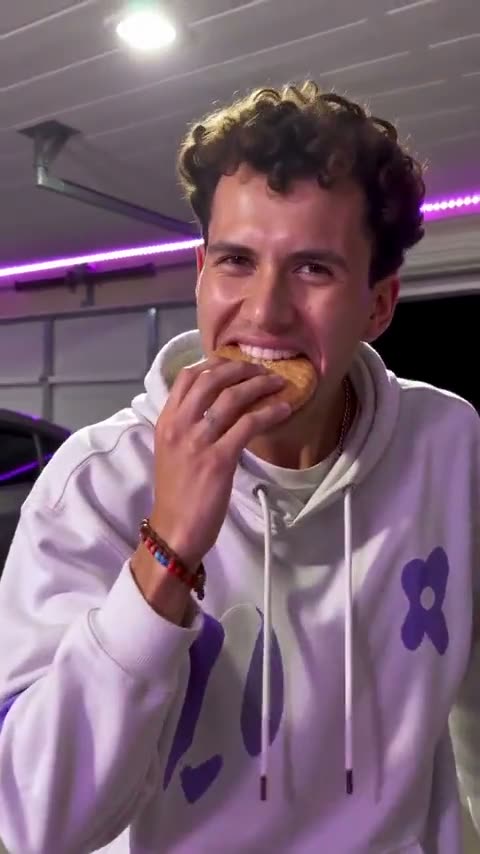
The Quince Guy (480 × 854, 9 seconds)
Keep the hand and bread in the same safe area when you crop the close-up. For your opening, look for the first frame that explains the party or character. Put your own source beside the preview at phone width and check the pastry, mouth and destination caption area. If the main detail is already hard to pick out in a still, compare another source or a preview with more separation before generating.
Your Pet Does It (480 × 854, 9 seconds)
An animal take can read quickly if the muzzle stays visible. Keep the caption off the eyes and nose. To plan the bite and direct look in the vertical edit, check the frames just before and after the corresponding movement. Note which object or part of the subject first approaches the crop. Keep the last usable frame on either side as a potential trim point.
Neon Dance Floor (480 × 854, 9 seconds)
The neon scene gives the exit step its own visual beat. Check the background behind the last caption before you export. Work backward from the exit beat before the caption or loop ends. Find a frame that could serve as the cover or the start of the next shot. Check it at the intended viewing size. If the important detail disappears there, test the crop in the edit first.
Crop for the mouth and the exit
Preview the crop at the close-up and at the widest step. Keep the pastry in frame at the bite and leave room where the performer backs away. Use a caption outside that movement. For a pet or plushie take, name the subject in a short line rather than spelling out every beat of the joke.
Build the phone edit around the visible action
Set up a draft at the size you intend to publish. Play it once with the destination app’s controls in mind. A face can survive a center crop while the hand or prop that explains the scene falls underneath the caption or outside the frame. Put text and graphics on separate layers so you can move them without rebuilding the video. Keep a clean export in addition to the posting draft.
Use a tall draft with the bite visible above any caption. If the prop exits the frame, first move the caption and try a slightly wider picture, then test whether the full-body step still reads. A still from the expression can make a cleaner cover than the motion-blurred frame you see while scrubbing.
For this scene, make the pastry, mouth and destination caption area your first check. Open the file at the same width as your draft and see which part of that detail remains clear. If the sample and your source make that check difficult, try a wider inset or a crop adjusted only at the exit. Choose material you have permission to use for the finished audience. With two people in an edit, approve the sources separately and identify which shot introduces each person.
Edit the entrance, reaction and exit separately
- Find the first frame that establishes the subject and setting. Start close enough to the action that the viewer does not wait for the entrance, while keeping enough time to read the setup.
- At the pastry beat, stop on the clearest face and check that the prop stays in frame. Plan the crop around both the hands and mouth, especially when you turn a wide shot into a vertical version.
- Trim the exit to one readable step if it continues after the joke lands. Place a short caption away from the moving subject and check the cut on mute at normal speed.
- Export a clean copy and test the version you will post with platform audio and overlays. Keep the AI label or disclosure settings appropriate to the finished edit.
Two briefs you can paste into your edit notes
Use these as shot notes. For a generation, carry over the part that describes one visible action and match it to the scene already selected. Keep your text cards, edit points and soundtrack on separate tracks. This makes it easy to compare a tighter cut or a different ending without asking the model to rebuild material that already works.
First pass
Keep the pastry and face above the caption during the bite. Let the first exit step finish before the loop or end text.
Put the first shot and its reply next to each other on the timeline. Watch until you can tell who is acting and what the other shot adds. When you have a clear sequence, bring in a line of text or the permitted audio. Set the picture rhythm first so there is room to reposition the caption later.
One focused revision
Use a wider picture at the exit if a shoe or the pastry is clipped. Keep the caption at a fixed height through the crop change.
When a vertical crop loses the bread or the backing step, build a second draft around a wider inset or a crop adjusted only at the exit. Keep the strongest opening. Cut to a separate response or a simple end frame where the original action stops being useful. Play both drafts side by side and see which one would make sense to someone who never saw the example.
Save a clean copy before posting
Export without baked-in platform music if you plan to post the same edit in different apps. Use audio you are allowed to publish, and follow the AI disclosure controls for realistic edits. Start with the official TikTok guidance and Instagram labeling guidance.
Make a version that begins just before the dessert enters and ends one beat after the stare. Review it in a vertical draft and mute it once. If the clip feels abrupt, restore a little of the entrance before changing the speed of the reaction.
What to check at the opening, action and ending
Before the action
Use the first frame that explains the party or character to check the pastry, mouth and destination caption area. Compare the generated frame with your source at the same viewing size. Check that the feature you care about is visible before the subject turns, the camera moves or a prop enters. If it is already missing, work on the input or framing first. A later adjustment has more to build on when the opening already looks right.
At the main beat
Around the bite and direct look in the vertical edit, watch once with the picture filling the intended screen and once with a wider crop. If a vertical crop loses the bread or the backing step, try a wider inset or a crop adjusted only at the exit. Mark the end of the useful action and see if the next shot still follows naturally. An edit can solve a timing or framing problem while preserving a performance that already works.
After the move
Find the exit beat before the caption or loop ends and decide whether it is a usable final frame or a cut point. Play the full clip at normal speed with the sound muted, then turn the sound back on and play it again. The first pass tells you whether the picture explains the action. The second pass lets you hear whether music or dialogue arrives early enough to make sense without masking the reply. If an action only looks awkward when stepped through frame by frame, judge it in the actual export before rebuilding the shot.
Check the quote and prepare the finished cut
Open the Dime Dime Baby editor, choose the actual scene and settings, and read the quote shown before submitting. You can check Pavo AI Video pricing for plan details. After submission, use the task state to find the result. Review a completed take before starting another one. If you do need another attempt, write down the one change you are testing.
Keep a copy of the clean file, then make a posting or delivery version. Add any date, reply action or dedication as text you can move independently. Preview it on the destination screen. If the message has to travel outside the video as well, send the relevant details in the accompanying text so viewers can find them after playback.
Give the exported file one last check for the pastry, mouth and destination caption area. If the shot needs another pass, keep the exported baseline so the next change is easy to judge. For a separate worked example or a more focused workflow, read Make Dime Dime Baby AI With a Pet or Teddy Bear.
Common questions
Which moment makes a useful cover frame?
Use a clear look where the subject and the pastry are both readable. The opening can still begin a little earlier. A sharp cover is useful for recognition, while a slightly longer entrance helps the joke land.
Can I export once for every platform?
Use one clean visual export as a starting point. Check the caption safe area and available audio in each app, then adjust the upload if the mouth, pastry or exit step is covered.